Lakeview Estate, 1982
A journey through light and material: Lakeview Estate, 1982 in Kenya re-imagines what a masterplanning space can achieve.
Key FactsKEY FACTS
Project Type
Masterplanning
Project Location
Kenya
Year of Completion
1982
Project Details
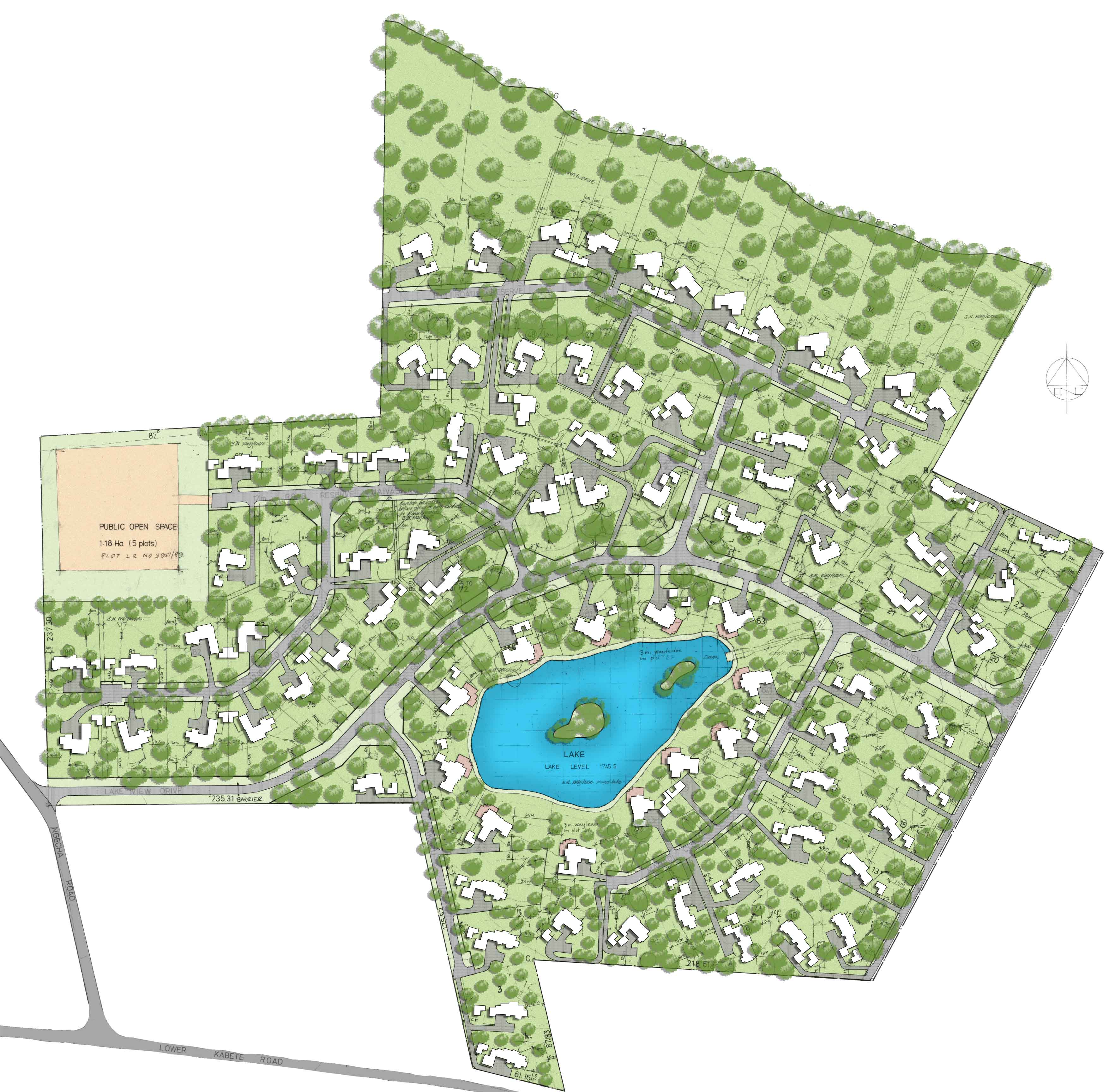
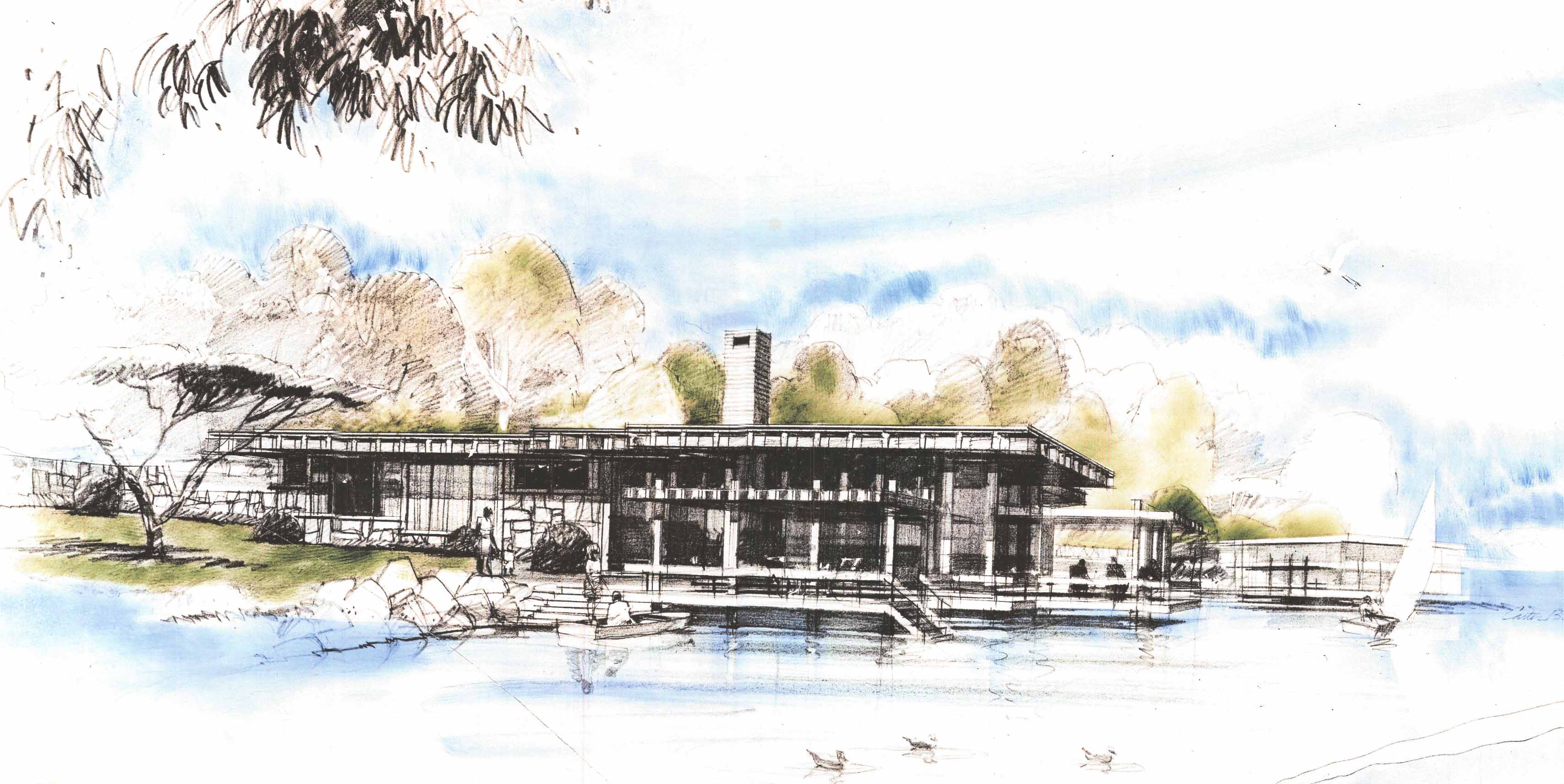
The multi award winning Lake View Estate.......... This unique residential development set in a fully landscaped well-maintained secure and competently engineered estate with carefully considered land use has become a milestone in excellence in residential development in Nairobi. The lake has become a major landmark in Nairobi and the entire area around Lakeview Estate has collectively come to be known as Lakeview.
Emanating from an architectural competition in the late 1970's this winning design set to develop 60 acres of abandoned coffee plantation with three low- lying swampy areas into a residential community. PLANNING recognized the unique opportunity available for creation of a lake in a large vlei in the centre of the site and with this the financial advantages of not bringing in vast quantities of earth to fill it as was proposed by other architects. 5 bath roomed houses on 60 acres were regarded as “untested” and there were initial doubts about sales.
The lake was designed to be self-cleansing with carefully selected water-purifying plants and fish that would control mosquito larvae frogs and algae. Many exceptionally mature trees would be protected. A botanical study of the site identified 2 ground creepers new to the Herbarium and a species of eucalyptus tree not known of elsewhere in East Africa.
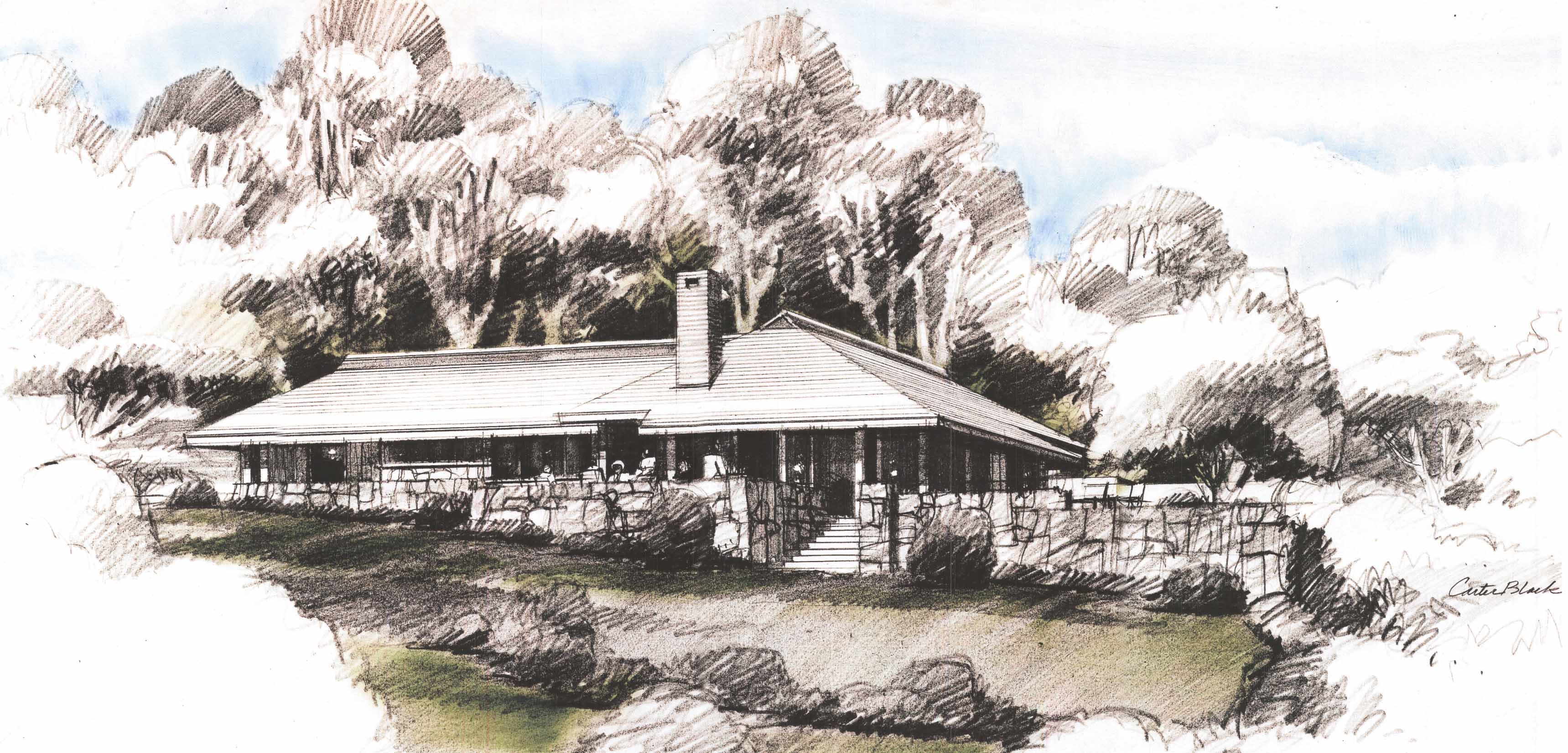
The materials and design of the typical house type came from an intense study by PLANNING of the most cost-effective yet sustainable materials to use. The combination of “dry stone” for the external walls brick cedar wood block floors and timber columns beams and sloped wood strip finishes under clay tile roofs (no ceilings) gave these houses a unique appeal and they sold fast.